


This is a five module course on basics of Government Accounting. Whether you are experienced in government accounting or a new accountant, it can improve your knowledge in Malawi.
Complete each module and a quiz followed by each module and the final quiz to obtain a valuable certification.
- Teacher: Tiphunzire Admin
- Teacher: ARUN KUMAR SRIVASTAVA
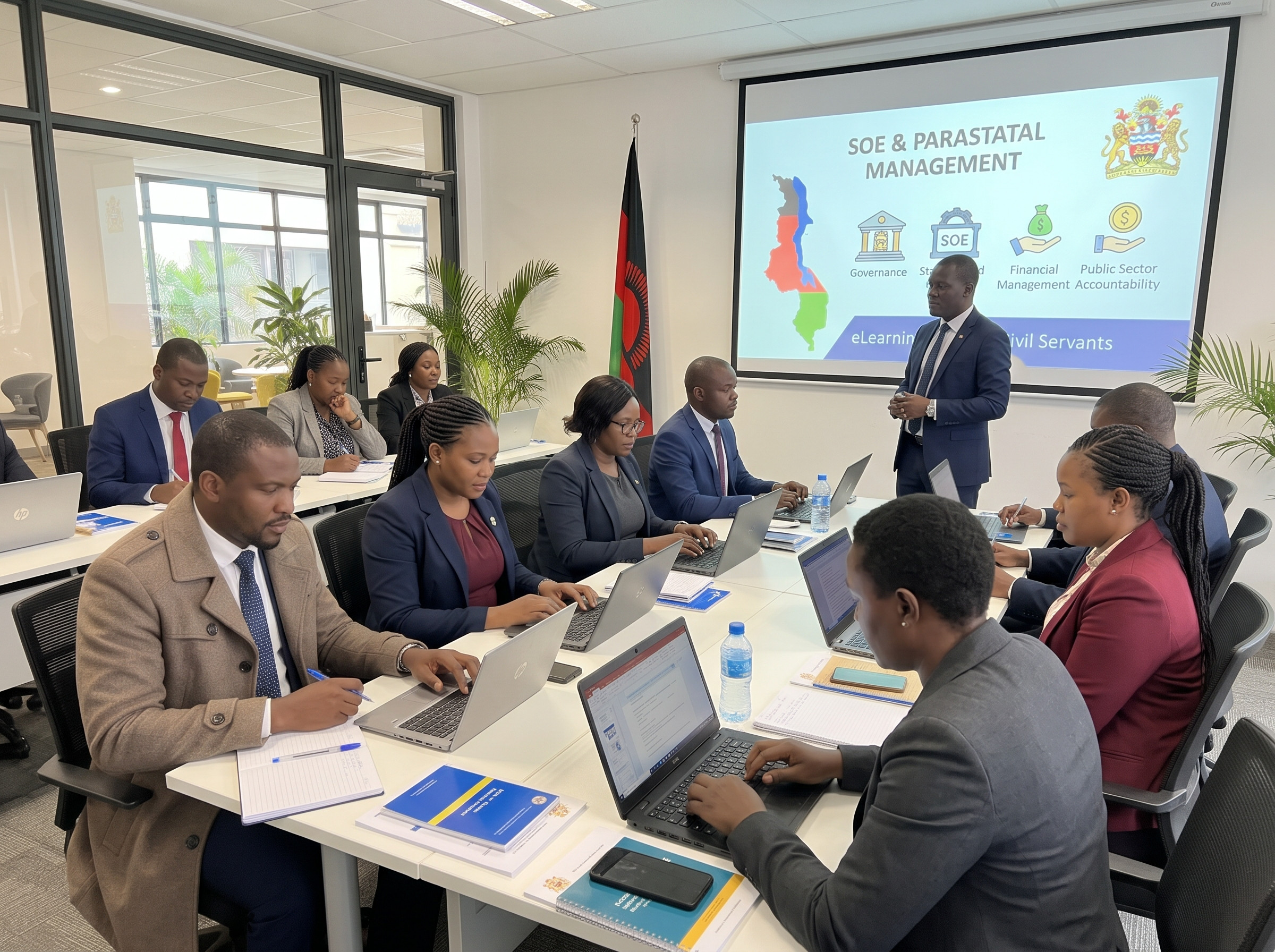
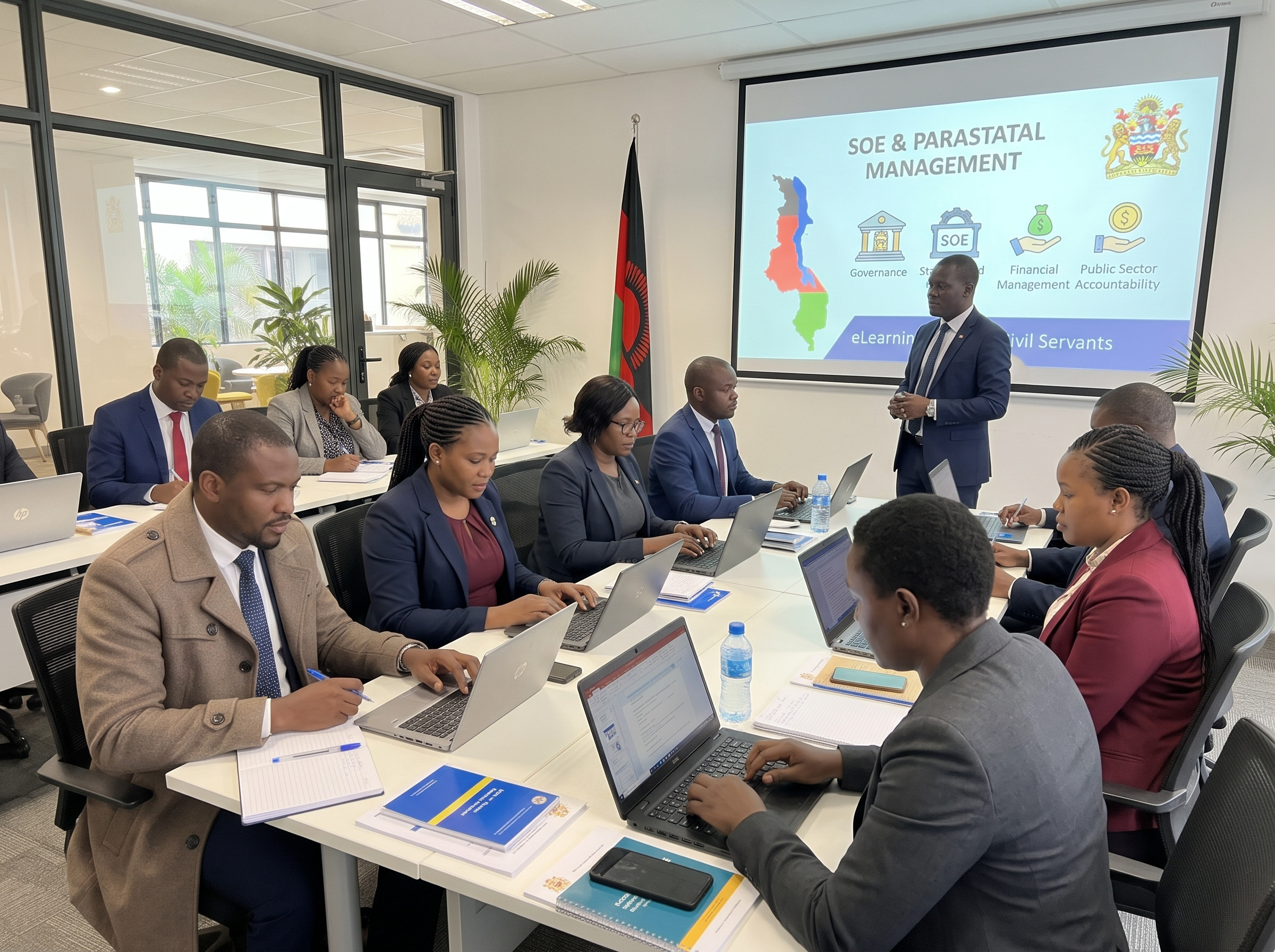
State-Owned Enterprises (SOEs) and statutory bodies play a pivotal role in delivering essential public services, driving infrastructure development, and stimulating national economic growth. However, realizing their full potential requires robust financial oversight, disciplined fiscal risk management, and sound corporate governance. This specialized e-learning course, SOE Management in Malawi, provides public officials, board members, and enterprise managers with an in-depth understanding of the institutional, regulatory, and oversight frameworks governing Malawian state-owned entities. Anchored in the Public Finance Management Act and modern corporate governance principles, the module examines critical workflows—including performance monitoring, contingent liability and risk management, dividend and surplus policies, and compliance reporting. Through interactive scenarios, practical tools, and real-world case studies, you will gain actionable competencies to enhance transparency, enforce accountability, and ensure public corporations deliver sustainable value to the nation.
- Teacher: Tiphunzire Admin
- Teacher: ARUN KUMAR SRIVASTAVA
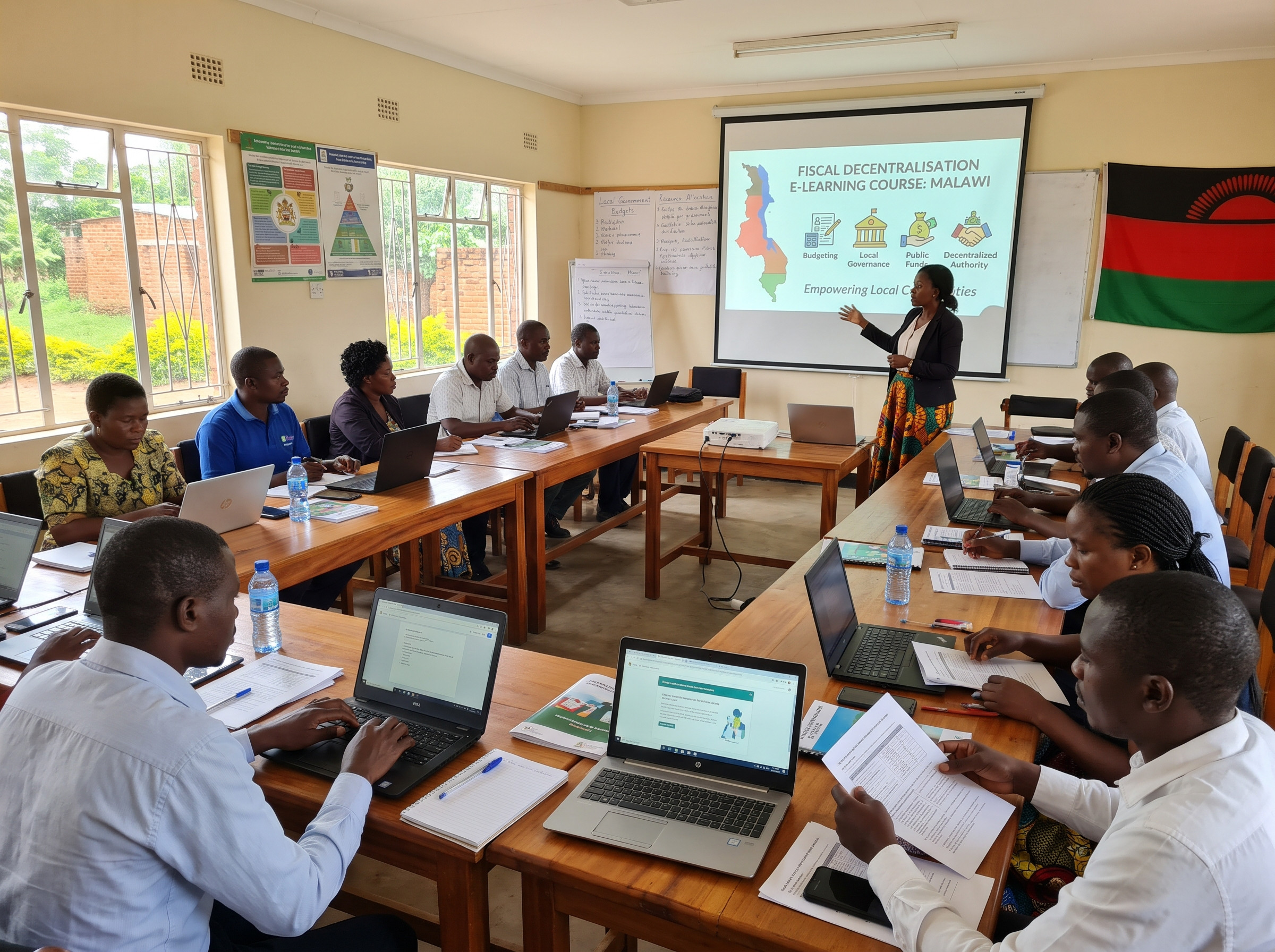
Bringing governance closer to the people is essential for equitable development, responsive public service delivery, and grassroots accountability. Decentralization in Malawi provides public servants, local council staff, development partners, and civil society leaders with an in-depth understanding of the policy, legal, and operational frameworks driving democratic decentralization. Grounded in the National Decentralisation Policy and the Local Government Act, this course examines the three pillars of reform: political empowerment, administrative devolution, and fiscal decentralization. Learners will explore the functional integration of devolved sectors, local development planning through Village and Area Development Committees (VDCs and ADCs), composite budgeting, and local revenue mobilization. Through real-world case studies and practical scenarios, this module equips you with actionable competencies to navigate council operations, strengthen fiscal discipline, and champion citizen-centered service delivery.
- Teacher: ARUN KUMAR SRIVASTAVA
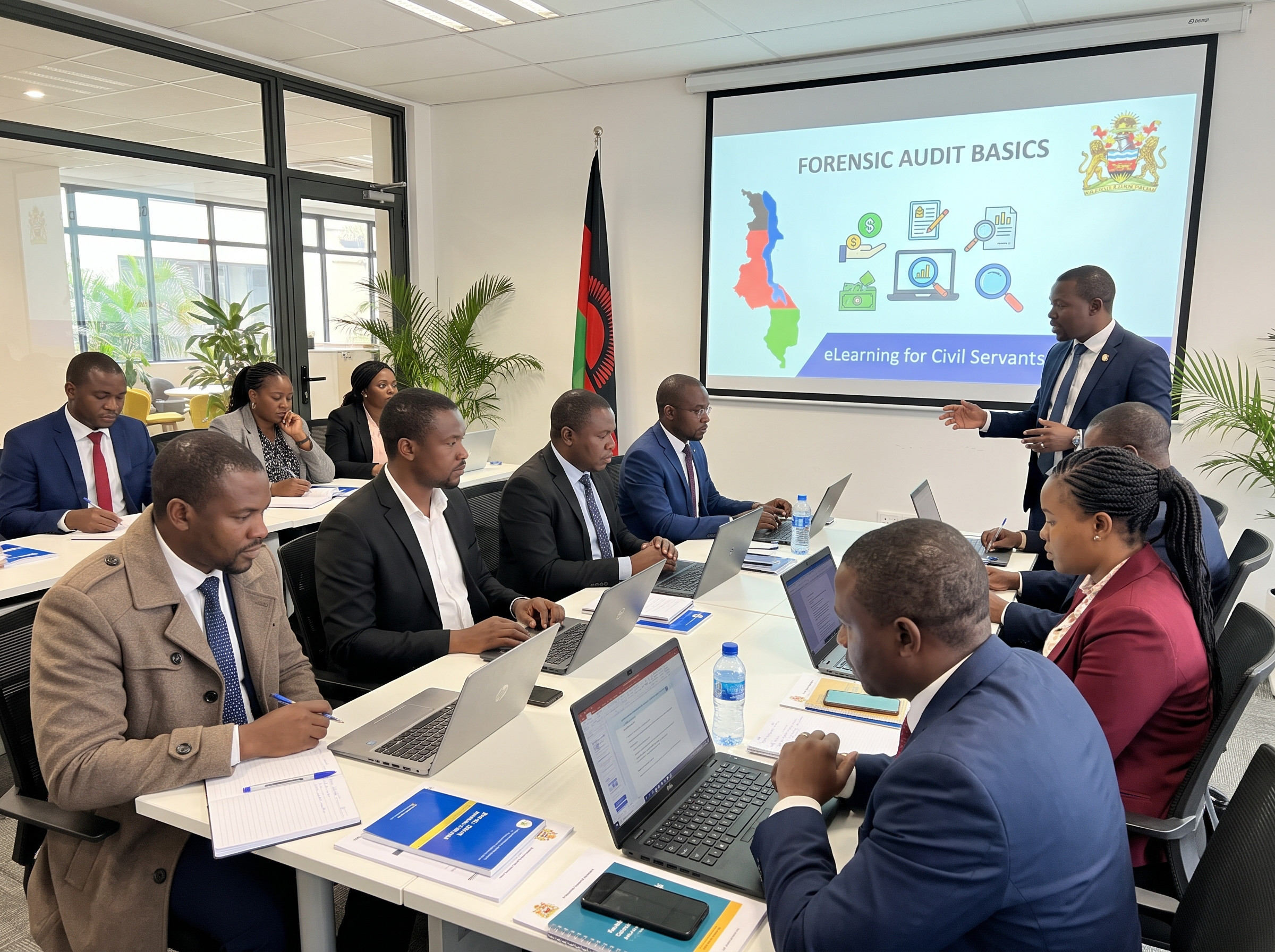
Preserving the integrity of public funds and institutional resources requires sharp vigilance, systematic investigation techniques, and unyielding adherence to the rule of law. Forensic Audit Basics in Malawi provides public sector auditors, financial controllers, compliance officers, and integrity personnel with a rigorous foundation in the methodologies used to uncover, analyze, and document financial irregularities. Grounded in the legal mandates of the Public Finance Management Act, the Corrupt Practices Act, and international auditing standards, this course demystifies the distinction between conventional financial audits and forensic investigations. Learners will explore key stages of the forensic cycle—from fraud risk assessment, red flag detection, and data interrogation to evidence gathering, chain of custody preservation, and forensic report writing admissible in judicial or disciplinary proceedings. Through realistic scenarios and structured case studies, this course equips you with the competencies needed to protect public assets and uphold institutional accountability across Malawi.
- Teacher: Tiphunzire Admin
- Teacher: ARUN KUMAR SRIVASTAVA

Effective public delivery begins with sound financial stewardship. Public Financial Management: What It Is? demystifies the rules, systems, and institutions that govern how public funds are collected, protected, and spent. Designed specifically for self-paced, flexible learning, this course breaks down key PFM principles into bite-sized, practical modules—covering everything from fiscal discipline and allocative efficiency to internal audit and reporting standards. By connecting legal mandates with everyday operational reality, this course empowers you to make informed decisions that promote integrity, reduce fiduciary risk, and deliver lasting public value
Whether you are a seasoned PFM expert or a novice, this course will improve your understanding of PFM.
- Teacher: ARUN KUMAR SRIVASTAVA
